

Butcher Block
-
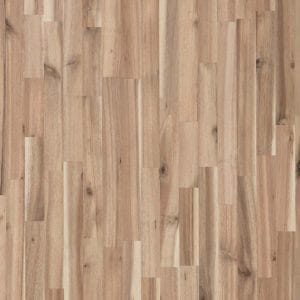
25×110 SLAB BUTCHER BLOCK 4 SQUARE EDGES COUNTERTOP
View Product -
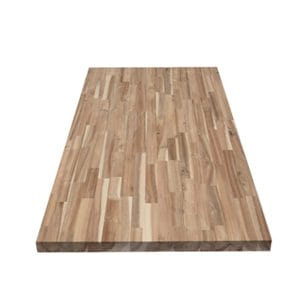
25×122 SLAB BUTCHER BLOCK 4 SQUARE EDGES COUNTERTOP
View Product -
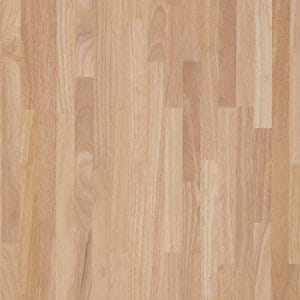
25×144 SLAB BUTCHER BLOCK 4 SQUARE EDGES COUNTERTOP
View Product -
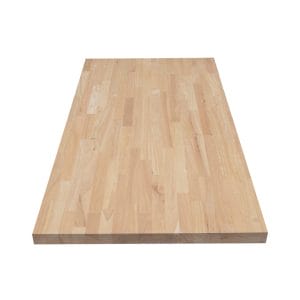
25×50 SLAB BUTCHER BLOCK 4 SQUARE EDGES COUNTERTOP
View Product -
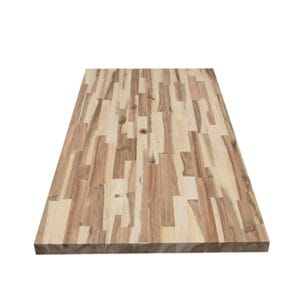
25×98 SLAB BUTCHER BLOCK 4 SQUARE EDGES COUNTERTOP
View Product -
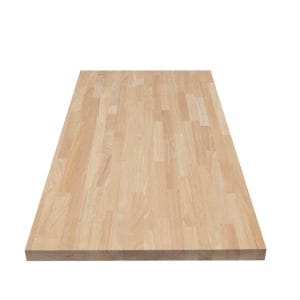
39×75 ISLAND BUTCHER BLOCK 4 SQUARE EDGES COUNTERTOP
View Product -
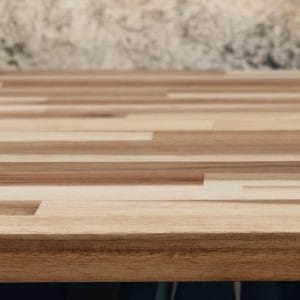
4×98 BACKSPLASH BUTCHER BLOCK 4 SQUARE EDGES COUNTERTOP
View Product
Butcher Block Countertops for Your Kitchen
Butcher block countertops bring warmth and tactile character that engineered surfaces can’t match. Cut from solid hardwood planks glued and pressed into long slabs, they’re hardworking surfaces that can take years of daily kitchen use and still look better with age.
Builders Surplus YeeHaa carries butcher block countertops in popular species and sizes, ready to cut, finish, and install.
Why Choose Butcher Block?
Butcher block has come back into demand as homeowners look for kitchens with warmth and texture rather than the uniform look of stone.
Warmth and Character
Wood adds visual warmth and tactile softness that engineered surfaces can’t replicate. The grain patterns are also unique to each piece.
Sanding Restores the Surface
Scratches, burns, and stains can be sanded out and re-oiled, bringing the wood back to a like-new look. No other countertop material has this kind of forgiveness.
Knife-Friendly
You can actually cut on a butcher block (though most homeowners still use a cutting board to keep the main surface clean). It won’t dull knives the way stone does.
Less Expensive Than Stone
Butcher block typically costs less than granite or quartz, especially for islands and accent counters.
Works as an Island or Accent
Many kitchens use butcher block as an island top with stone on the perimeter, getting the best of both materials.
Common Butcher Block Wood Species
The choice of wood species affects price, color, hardness, and grain.
Maple
The most popular butcher block species. Hard, light-colored with subtle grain, and the most affordable hardwood option. Works in most kitchens.
Oak
Open grain, warm honey tones, more visible texture than maple. Holds up well and ages with character.
Birch
Light-colored like maple but slightly softer. Affordable, good for low-traffic counters and bar tops.
Walnut
Dark, rich brown with prominent grain. Premium pricing but visually striking, especially as an island top.
Cherry
Reddish-brown that darkens with age. Premium pricing, traditional look.
Acacia and bamboo
Less common but growing in popularity. Bamboo is technically a grass but performs like a hard wood.
Butcher Block Grain Patterns
How the planks are joined affects the look and durability.
Edge grain uses long planks with the edges facing up. Most common, balanced strength and look, moderate price.
End grain uses small blocks with the end of the grain facing up (the actual “butcher block” pattern). Most durable, easiest on knives, most expensive.
Face grain uses wide planks with the face of the grain facing up. Most visually dramatic with prominent grain, slightly softer than edge grain.
How To Choose the Right Butcher Block
Match the species to your style. Maple for clean and modern, walnut for warm and traditional, oak for transitional.
Pick edge grain for most kitchens. End grain is gorgeous and durable but expensive. Edge grain is the practical choice for most homeowners.
Plan the finish before install. Mineral oil (food-safe, requires regular reapplication) leaves the wood matte and natural-looking. Tung oil or hard-wax oil offers more durability with periodic re-oiling. Polyurethane creates a hard, protective surface but changes the feel of the wood and isn’t food-safe for direct food contact.
Avoid butcher block at the sink unless you’re committed to maintenance. Standing water near a sink will damage wood over time. Sealants help, but stone or solid surface is more forgiving in wet zones.
Measure for length and thickness. Standard thicknesses are 1½ inches for islands and counters, 1¾ to 3 inches for bars and dedicated chopping surfaces. Standard lengths run 4 to 12 feet.
Caring for Butcher Block
Butcher block needs more maintenance than stone or quartz, but the maintenance is simple.
Oil Regularly
Apply food-grade mineral oil monthly for the first six months, then every three to six months as needed. The wood is dry and needs oil when it starts to look gray or feel rough.
Wipe up Spills
Water left on the surface will discolor the wood. Wipe spills as they happen.
Sand if Needed
Scratches, dents, and stains can be sanded out with progressively finer grits (start at 80, finish at 220) and the surface re-oiled. This restores the look completely.
Use Cutting Boards for Raw Meat
Even with food-safe oil, direct contact with raw meat juices is best handled on a separate cutting board to avoid bacteria absorption.
Shopping Butcher Block at Builders Surplus YeeHaa
We carry butcher block countertops in popular species and standard sizes, with most options available to cut to length on site.
Our design team can help match butcher block to your cabinets and overall kitchen plan, free of charge. We can also pair butcher block as an island or accent with granite or quartz perimeter countertops.
Professional installation can be arranged for any countertop purchased from us.
